On this page
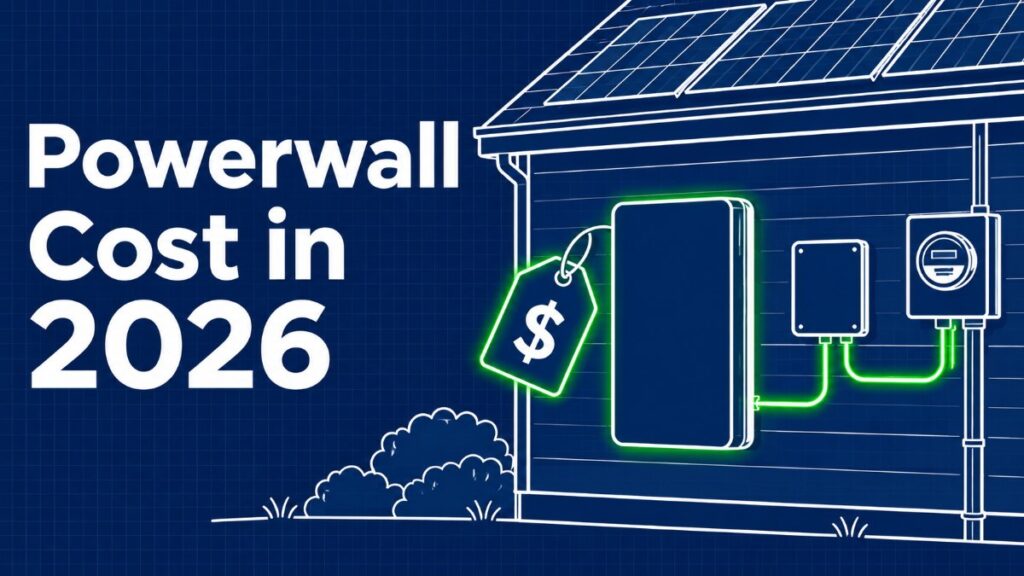
Short answer: a single Tesla Powerwall 3 costs about $13,000 to $16,500 installed in 2026, before any local rebates. EnergySage puts the typical quote at about $13,500, or roughly $1,000 per kWh of storage. Adding a 13.5 kWh expansion pack adds about $6,000 more. The 30% federal tax credit for homeowners ended on December 31, 2025, so do not count on it for a 2026 install.
How we priced it: we compared published installed-cost data from EnergySage and installer pricing guides, plus Tesla’s specs. Your quote depends on your region, your electrical panel and whether you add solar. Prices are as of November 2026.
Tesla Powerwall 3 cost at a glance
| Setup | Storage | Typical installed cost |
|---|---|---|
| 1 Powerwall 3 | 13.5 kWh | $13,000 to $16,500 |
| 1 Powerwall 3 + 1 expansion | 27 kWh | About $19,000 to $22,500 |
| 2 Powerwall 3 units | 27 kWh | About $24,000 to $30,000 |
| Main panel upgrade, if needed | n/a | Add about $1,500 to $3,500 |
Sources: EnergySage Powerwall 3 review (typical quote about $13,473, about $998 per kWh) and published installer price ranges. Two full units cost more than one unit plus an expansion because each Powerwall 3 includes its own inverter.
What you get for the money
| Spec | Tesla Powerwall 3 |
|---|---|
| Usable capacity | 13.5 kWh |
| Continuous power | 11.5 kW |
| Built-in solar inverter | Yes |
| Expansion | Add expansion packs or more Powerwall 3 units, up to about 54 kWh in a typical system |
| Warranty | 10 years, 70% capacity retention |
| Install | Wall or floor, indoor or outdoor, by a certified installer |
Specs from Tesla and EnergySage. The big selling point is power: at 11.5 kW continuous, one Powerwall 3 can start and run large loads like a heat pump or central AC, which many competing batteries cannot do alone.
What makes up the price
- The battery itself, usually $8,000 to $9,500 of the total.
- The Backup Gateway or switch, which separates your home from the grid during an outage, about $1,000 to $1,500.
- Labor, wiring and permits, typically $3,000 to $8,000 depending on distance from the panel and local permit fees.
- Panel upgrades, if your main panel is too small or full, about $1,500 to $3,500.
Is there still a tax credit?
Not for most homeowners who buy. The federal Residential Clean Energy Credit (Section 25D), which paid back 30% of battery costs, ended for expenditures after December 31, 2025. Systems installed in 2026 do not qualify.
You may still find help locally. Some states and utilities pay rebates or yearly incentives for batteries that join demand response or “virtual power plant” programs, such as California’s SGIP and the ConnectedSolutions programs in New England. Ask your installer what applies in your area.
Is a Powerwall worth it for backup alone?
If backup power is your only goal, a Powerwall is an expensive way to get it. Compare these options for keeping the essentials running:
| Option | Typical cost | Runs | Trade-off |
|---|---|---|---|
| Tesla Powerwall 3 | $13,000 to $16,500 installed | Most of a home for about a day, longer with solar | Highest cost, but automatic, silent and also cuts bills with solar |
| Standby generator | $8,000 to $16,000 installed | Whole home as long as fuel lasts | Fuel, noise and yearly maintenance |
| Portable power station + transfer switch | About $3,000 to $6,000 | Essential circuits for about a day | Manual setup, less capacity |
| Portable generator + interlock kit | About $1,500 to $3,500 | Essential circuits as long as fuel lasts | Noise, fuel storage, must run outdoors |
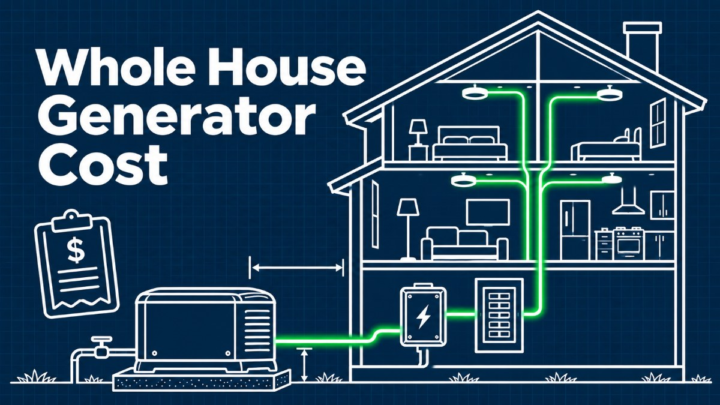
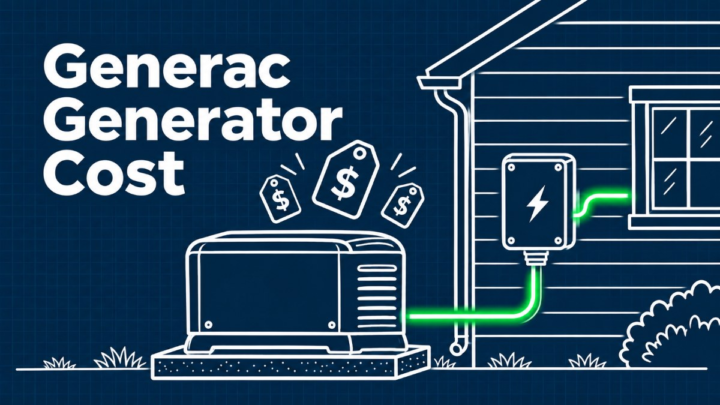
See our Generac generator cost and whole house generator cost guides for the standby side, or our best portable power station picks for the budget route. We compare all of these head to head in home battery backup vs generator.
A Powerwall makes the most sense when you also have or are adding solar, your utility charges more in the evening, or you have a local battery incentive. In those cases it saves money every day, not just during outages.
Powerwall 3 vs other home batteries
| Battery | Capacity per unit | Continuous power | Typical installed cost |
|---|---|---|---|
| Tesla Powerwall 3 | 13.5 kWh | 11.5 kW | $13,000 to $16,500 |
| FranklinWH aPower 2 | 15 kWh | 10 kW | About $17,500 |
| Enphase IQ Battery 5P | 5 kWh | 3.84 kW | About $6,000 to $8,500 each, plus a system controller |
| EcoFlow DELTA Pro Ultra | 6.1 kWh per battery | 7.2 kW | About $4,100+ for the inverter and one battery, before installation |
Our full comparison is in best whole-house battery backup systems.
How to get an accurate Powerwall quote
- Get at least three quotes from Tesla-certified installers, and compare them line by line.
- Ask whether the quote is for whole-home or partial backup. Whole-home costs more but covers every circuit.
- Ask if your main panel needs an upgrade, and get that price in writing.
- Ask about local rebates and utility programs before you sign.
- Check if you need one unit or two. One Powerwall 3 is enough for most essentials. Homes with central AC, electric heat or a well pump often need more storage.
Frequently asked questions
How much does a Tesla Powerwall 3 cost?
About $13,000 to $16,500 installed for one 13.5 kWh unit in 2026, before rebates. EnergySage reports a typical quote of about $13,500.
How much does a Powerwall cost without installation?
The battery hardware alone usually runs about $8,000 to $9,500, but Tesla sells it through certified installers, so most buyers pay the installed price.
How long will a Powerwall power my house?
One 13.5 kWh Powerwall runs essentials like the fridge, lights, Wi-Fi and some outlets for about a day, and less if you run central AC or electric heat. With solar panels it can recharge every day during a long outage.
Can I still get the 30% tax credit on a Powerwall?
Not for a homeowner-owned system installed in 2026. The Section 25D credit ended for expenditures after December 31, 2025. Some states and utilities still offer their own incentives.
Do I need solar to get a Powerwall?
No. A Powerwall can charge from the grid and act as backup only. It saves more money when paired with solar.
How long does a Powerwall last?
Tesla warrants the Powerwall 3 for 10 years with at least 70% capacity remaining. Many units should keep working beyond that at reduced capacity.